
Decorating a Salford Quays apartment: building rules, access and tips
Ask the building manager about lift bookings, working hours, visitor parking and protection of common corridors before confirming dates.

Written by Ali Vahidi · 5 min read
What do you need to know before decorating a Salford Quays apartment?
Ask the building manager about lift bookings, working hours, visitor parking and protection of common corridors before confirming dates. List the rooms in order of priority and keep a route clear from the entrance. In an open-plan apartment, agree where one finish stops and the next starts.
Book the route as well as the room
Walk from the unloading point to the apartment with the building’s access instructions. Check lift dimensions, delivery hours, protective coverings and where materials can be left during the day. Confirm who signs contractors in and releases keys. A booking for work inside the flat may still require a separate slot for the lift or loading bay.
New plaster and strong window light
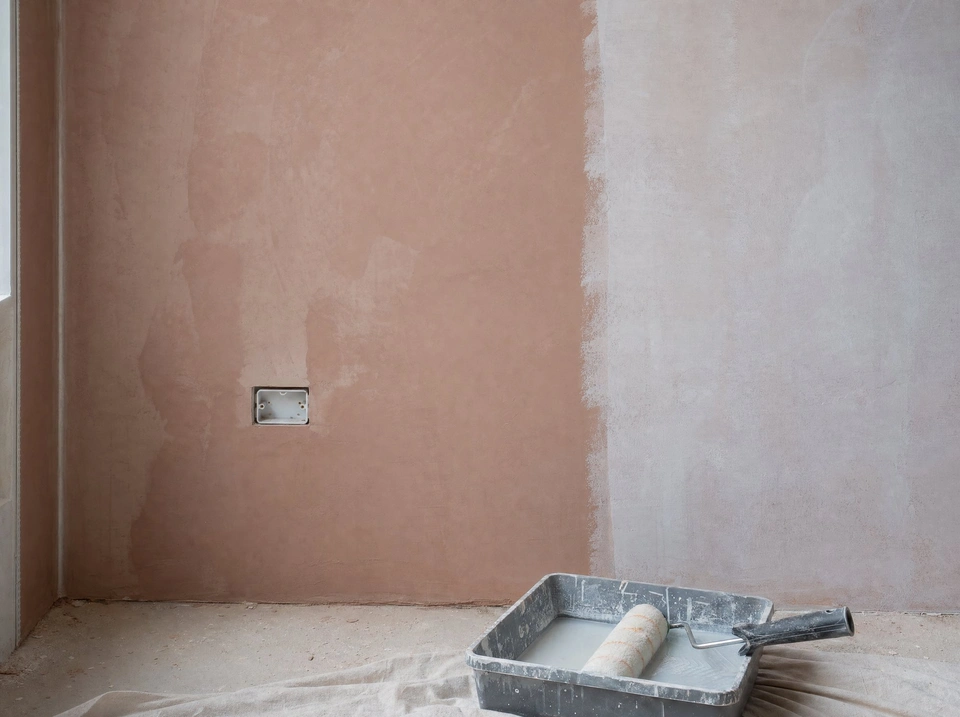
In an open-plan living room, inspect plaster from the window towards the darker end of the space. Side lighting reveals patch edges and roller texture. Confirm new plaster is dry enough for the selected system and agree how repaired areas will be primed. Mark the stopping point at a corner or doorway where the wall colour continues into the kitchen.
Letting or selling
For a letting refresh, prioritise washable finishes at entrances and around dining furniture. For sale photographs, review the room under the lights and daylight used for the shoot. Work backwards from cleaning and photography, leaving time for drying and reinstating blinds. Agree where keys will be returned and how any remaining snag can be accessed after the apartment is handed back.
Plan backwards from the key collection
For a flat with a Friday handover, put the inspection, final clean, furniture return and photography on the calendar first. Work backwards through the coating's drying and handling intervals. Mark repairs that prevent another trade entering the same room. A delayed repair in a bedroom might leave the hall available for preparation, whereas work on the only entrance can interrupt every room. Confirm who can change the sequence and who can authorise additional work when the outgoing tenant's furniture is removed. A dated set of photographs and a room-by-room list make that decision faster than a single instruction to freshen up the flat.
Decide when a touch-up is worth trying
Start on a small, inconspicuous section using the recorded product and shade. Let it dry for the stated interval and view it from the normal approach to the room. A clean patch of precisely matched colour can still stand out against an older, polished or faded wall. Note which walls can be touched up and which need a full coat to a corner. Keep those decisions separate from defects such as a leak or recurring mould that must be assessed before decorating. At check-in, photograph the same viewpoints used at checkout and supply the property manager with the finish schedule and a route for reporting snags.
Build the checkout list
Photograph each empty room from its doorway and use the same room references as the inventory. Mark full-wall refreshes, isolated damage, joinery and ceilings separately. Note access that will be lost once new flooring or furniture arrives. Send the list to the person who can authorise repairs. A short decision window is much easier to manage when a damaged wall can be identified without another site visit.
Agree the handover route
Record who releases the keys, who checks the work and who returns the keys before the next tenancy. Agree a contact for variations and a deadline for decisions. If flooring, cleaning or appliance deliveries are booked in the same period, map their access through the property. A finished hallway can be damaged by a late delivery even when every bedroom has been returned on time.
Choose a repeatable specification
Where several rooms share a colour, record the manufacturer, product, sheen and shade reference. Do the same for trim. A familiar colour name alone may not identify the existing paint. Compare touch-ups under normal light before deciding to treat scattered marks individually. Keep spare material labelled by room and date so a future refresh begins with a usable reference.
Separate causes from visible marks
Photograph areas that show recurring staining or moisture and obtain an assessment of the underlying cause. Include only the agreed decorative treatment in the quotation and record any surfaces that must be deferred. At inspection, check the walls with the curtains open and the normal lamps on. Leave time between inspection and key handover to resolve snags without relying on access after the new tenancy begins.
A room with several drying histories
Picture an existing bedroom with a newly skimmed ceiling, a filled cable chase and two walls in old sound paint. Draw those as four separate surfaces on the room sheet. The existing painted wall may be ready for a colour sample while the deeper repair is still drying. A sample on that existing wall can help select a shade but tells you little about adhesion on the new work. Record who supplied the plaster and when each repair was completed. Ask for their finishing instructions and the paint manufacturer's instructions for that substrate. Agree a review date instead of tying the first coat to the date the plasterer left.
What to inspect after the first coat
Keep the first inspection in daylight and look along the surface as well as straight at it. The initial coating can expose fine ridges, scratches or a slight step where the new skim meets old work. Circle their positions on a photograph. Agree which require attention and how repaired patches will be brought back into the coating system before the next full coat. If a discoloured patch returns in the same place, pause to identify its source rather than repeatedly covering it. At handover keep the specification for the base coat as well as the finish. An isolated repair later may expose the underlying plaster again.
Further reading: Dulux guide to paint finishes.
Frequently asked questions
Do I need permission from building management?
Request the building’s contractor requirements before booking. Check lift reservations, unloading permissions, insurance paperwork and permitted hours with the management team.
How long does an apartment repaint take?
A studio with clear access and sound surfaces is different from an occupied apartment needing repairs. List the rooms, furniture moves and access hours for an estimate.
Can you paint while I am at work?
Agree key collection, authorised rooms and how the property will be secured. Confirm which rooms should be ready on your return and how changes will be approved during the day.
 The 8 most popular front door colours in Manchester
 When is it too wet or cold to paint outside?
 How long should new plaster dry before painting?